Tile floors are one of the most durable and attractive flooring options for homes and commercial spaces. Whether you have ceramic tile, porcelain, natural stone, or textured surfaces, keeping them clean is essential for maintaining their appearance and extending their lifespan. However, many property owners unknowingly use the wrong products and cleaning methods, causing damage to grout lines, dull finishes, discoloration, and even permanent surface deterioration. Understanding how to clean tile and grout the right way can help protect your investment while keeping your floors looking fresh and beautiful for years.
One of the biggest mistakes people make when cleaning tile and grout is using harsh chemicals like bleach, ammonia, or highly acidic cleaners. While these products may seem effective at removing stains and dirt quickly, they can slowly weaken grout, discolor surfaces, and damage protective sealers. Acidic cleaners are especially dangerous for natural stone floors such as marble, travertine, and limestone because they can etch the surface and leave dull marks that are difficult to repair. Instead, using pH-neutral cleaning solutions designed specifically for tile and grout is the safest and most effective option.
Another common issue is allowing dirt and debris to build up over time. Dust, sand, and small particles act like sandpaper when walked across tile surfaces, gradually scratching and dulling the finish. Sweeping or vacuuming regularly is an important first step before any wet cleaning begins. Removing loose debris prevents scratches and allows the cleaning solution to work more effectively on grime and stains.
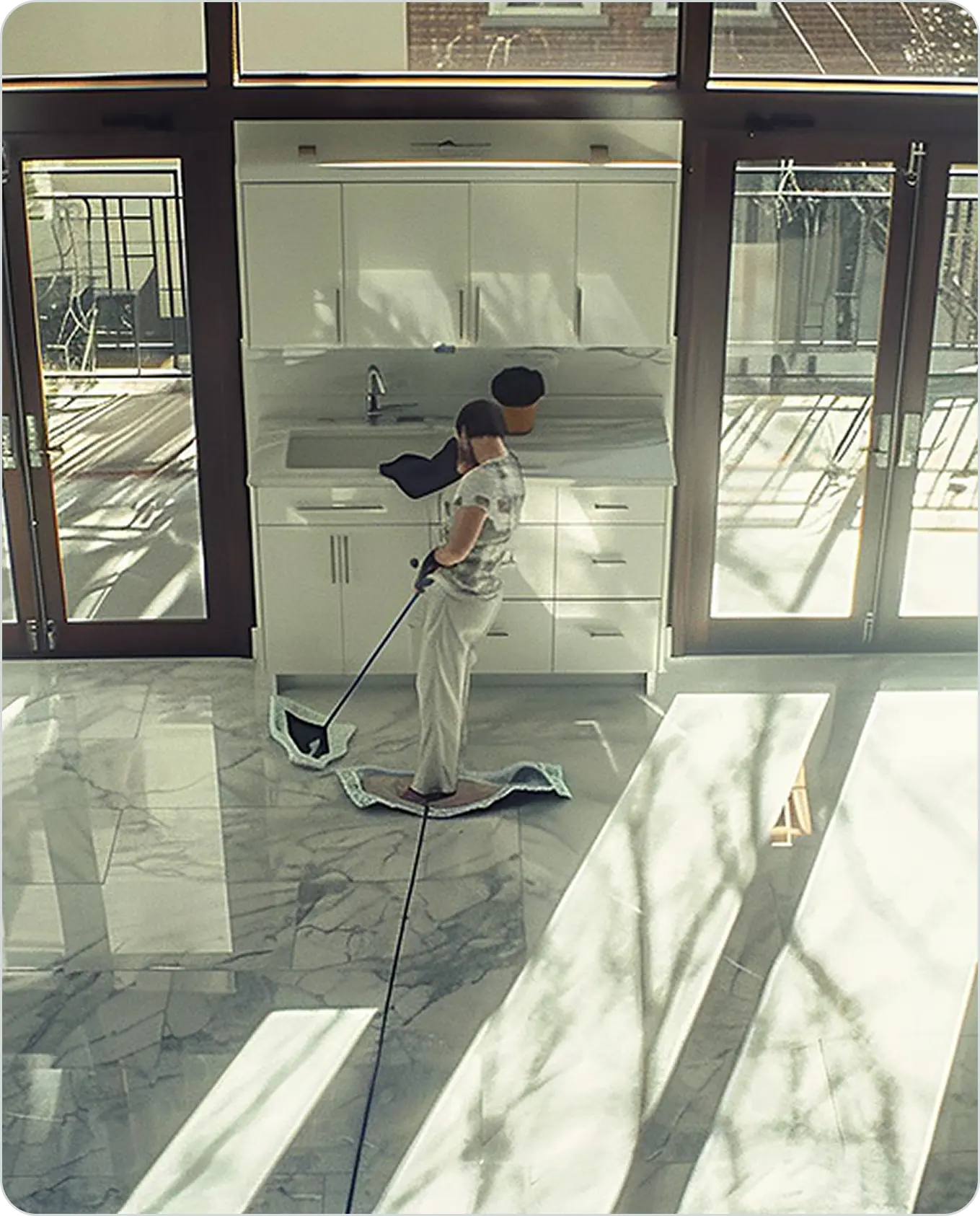
When mopping tile floors, using too much water can actually create more problems. Excess moisture often settles into grout lines, which are naturally porous and absorbent. Over time, this trapped moisture can lead to mold, mildew, discoloration, and weakened grout. A damp microfiber mop is usually the best option because it cleans effectively without oversaturating the floor. Microfiber materials also capture dirt more efficiently than traditional cotton mops, helping prevent residue buildup.
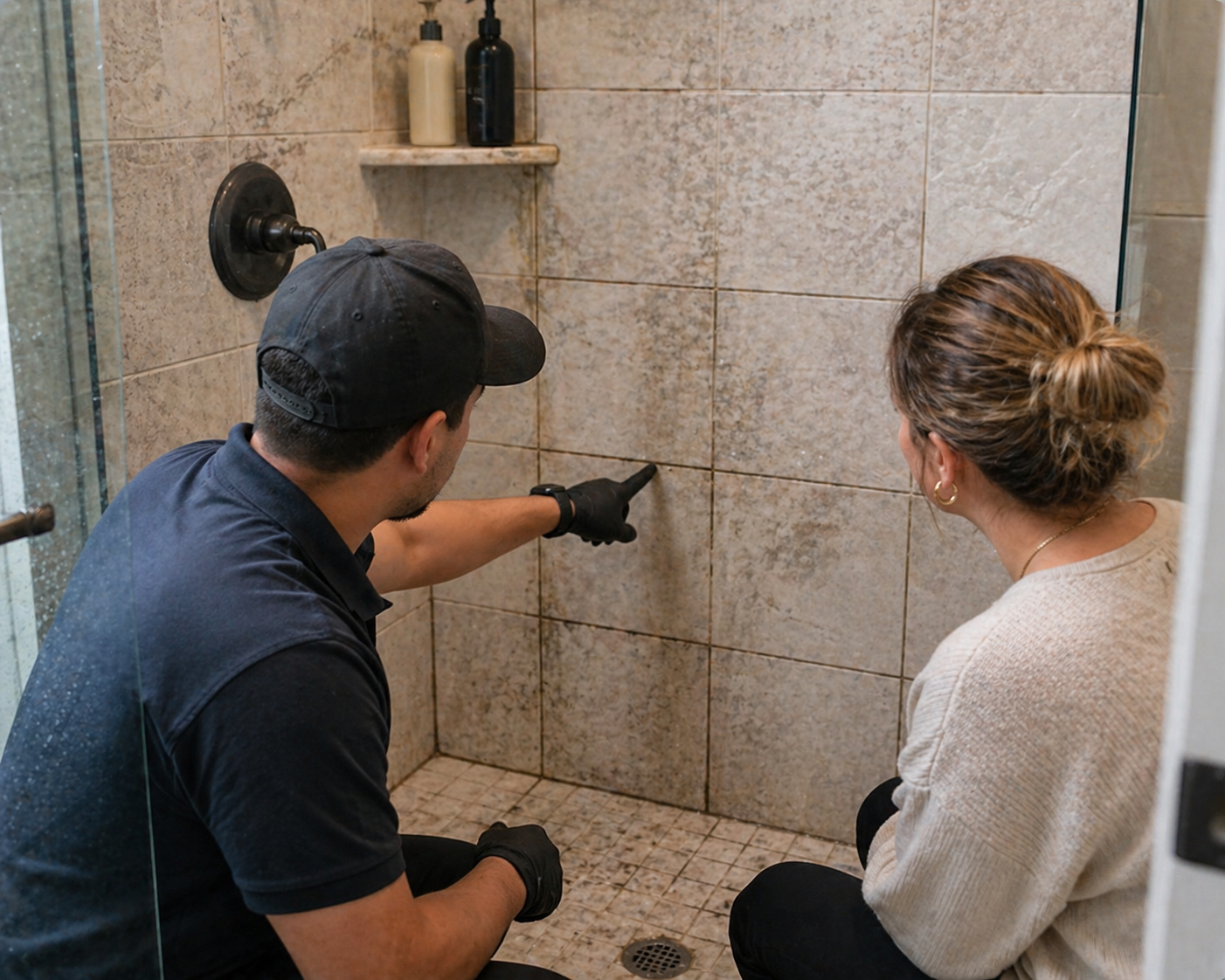
Grout lines are often the most challenging part of tile maintenance because they absorb dirt, oils, spills, and bacteria much faster than the tile itself. Scrubbing grout aggressively with hard-bristle brushes or metal tools can cause cracks and erosion. Soft brushes combined with professional-grade cleaners provide a much safer solution. In cases where grout has become deeply stained or darkened, professional tile and grout cleaning equipment may be necessary to restore its original appearance.
Steam cleaning is another method many homeowners consider, but it must be used carefully. While steam can loosen dirt and sanitize surfaces, excessive heat and pressure may weaken grout over time if used improperly. Certain tile materials and older grout installations may not tolerate high-temperature cleaning well. Professional technicians understand the proper temperature and pressure settings needed to clean effectively without causing damage.
Proper drying is also important after cleaning tile and grout. Leaving floors wet for long periods increases the risk of mildew growth and water absorption into grout lines. Good ventilation and dry microfiber towels can help speed up the drying process and maintain a cleaner surface.
One of the best ways to protect grout after cleaning is applying a professional grout sealer. Since grout is naturally porous, sealing it creates a protective barrier that helps resist moisture, stains, and dirt penetration. Sealed grout is easier to clean, maintains its color longer, and reduces the risk of mold growth. Many homeowners overlook this step, but grout sealing can significantly extend the life and appearance of tiled surfaces.
Different tile materials also require different cleaning approaches. Porcelain tile is generally very durable and resistant to moisture, while natural stone surfaces need specialized care to avoid scratching or etching. Using generic all-purpose cleaners on delicate surfaces may lead to expensive restoration needs later. Understanding your flooring material is essential before selecting cleaning products or techniques.
Professional tile and grout cleaning services provide deep cleaning solutions that typical household methods cannot achieve. High-powered extraction systems remove embedded dirt from grout lines, while specialized products safely restore the floor without damaging the surface. Professionals can also identify issues such as cracked grout, loose tiles, mold growth, or sealer failure before they become larger problems.
Maintaining clean tile and grout is not only about appearance. Dirty grout can harbor bacteria, allergens, and odors that affect indoor air quality and overall cleanliness. Regular maintenance improves both the visual appeal and hygiene of your home or business.
For property owners looking to protect their investment, adopting the right tile and grout cleaning routine is essential. Gentle cleaning methods, proper products, regular maintenance, and professional deep cleaning when necessary can keep floors looking their best without risking damage. Investing in proper care today helps avoid costly repairs, restoration, or premature replacement in the future.